
Turing AI Security Cameras Installation Los Angeles: The Definitive Guide
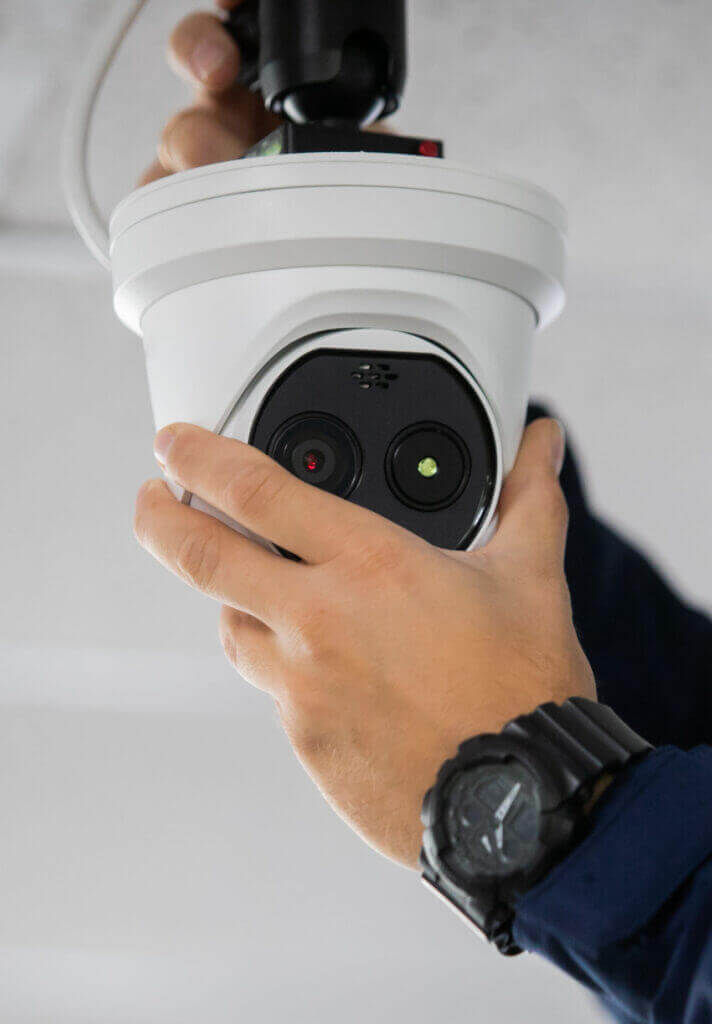
Security systems are no longer just passive recording devices — they leverage artificial intelligence (AI) to actively interpret video, reduce false alarms, and provide actionable alerts. Turing AI security cameras, paired with advanced analytics and cloud connectivity, represent a modern choice for homes and businesses seeking smarter surveillance. In this guide, we’ll walk through exactly how to install and optimize a Turing AI camera system with clarity and authority — backed by current data and industry standards.
What Are Turing AI Security Cameras?
Turing AI security cameras are network-ready surveillance devices that combine IP video recording with onboard or cloud-based AI analytics. These cameras provide features such as people and vehicle detection, object recognition, face matching, and smart search — all through the Turing Vision ecosystem while integrating with hybrid cloud or local NVR systems.
Our Services
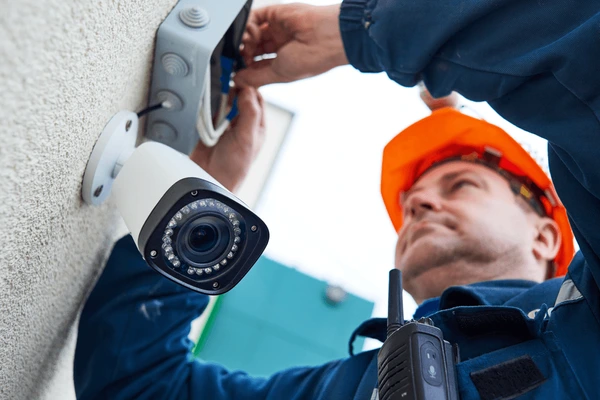
Commercial Video Surveillance Installation
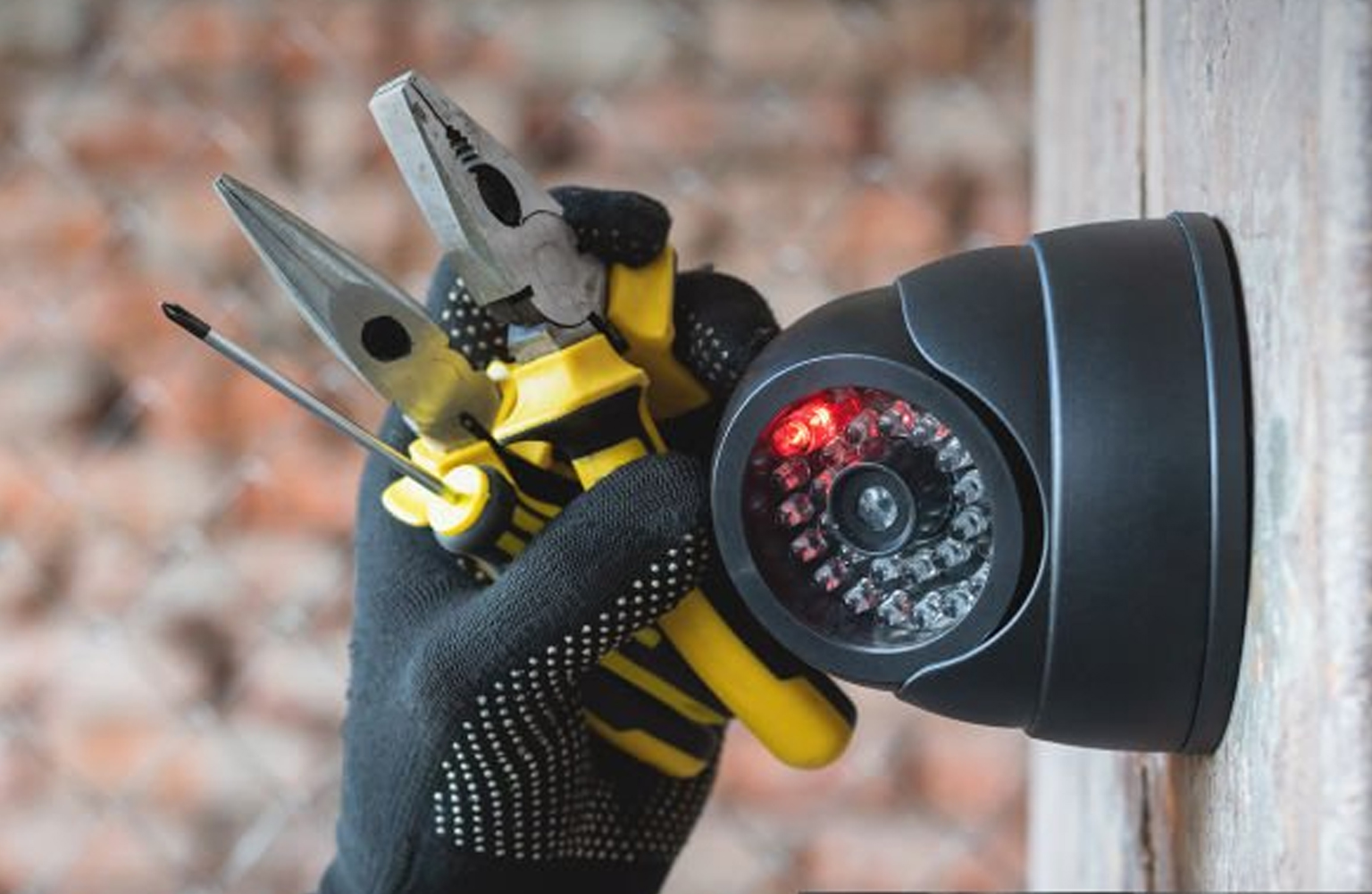
Residential Video Surveillance Installation
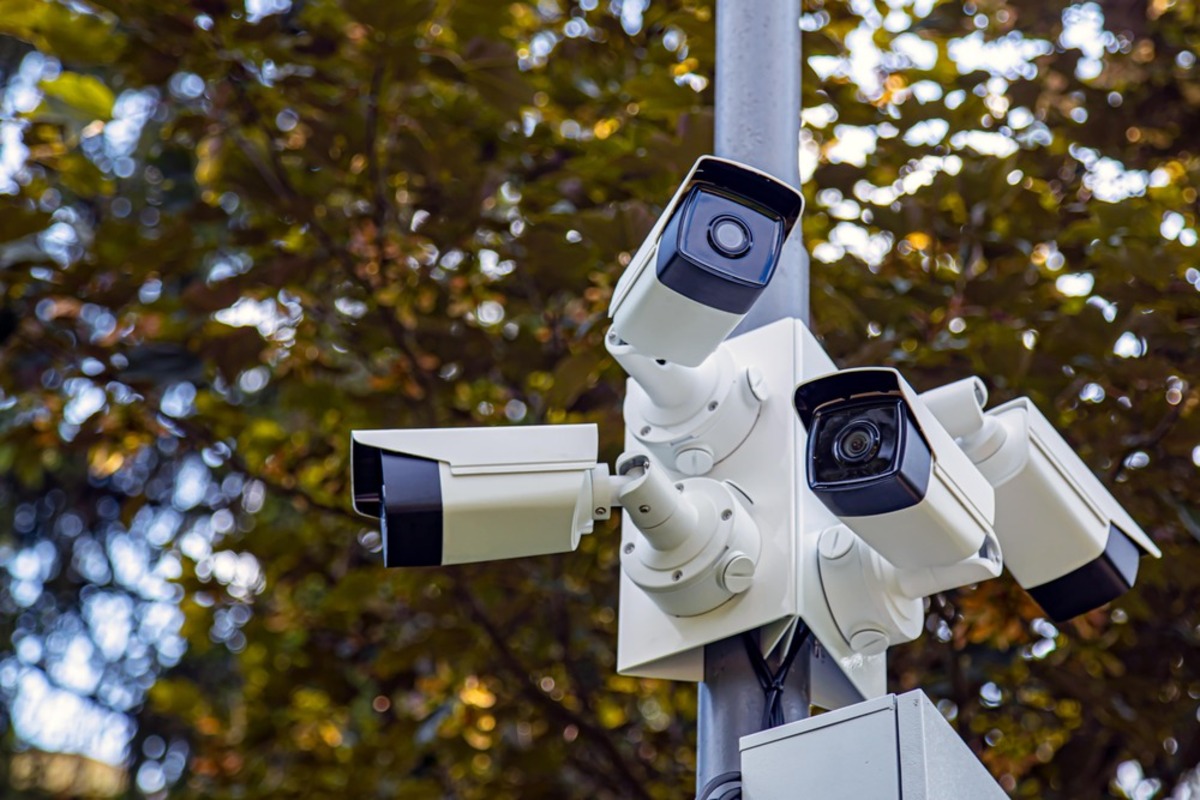
Outdoor Video Surveillance Cameras Installation
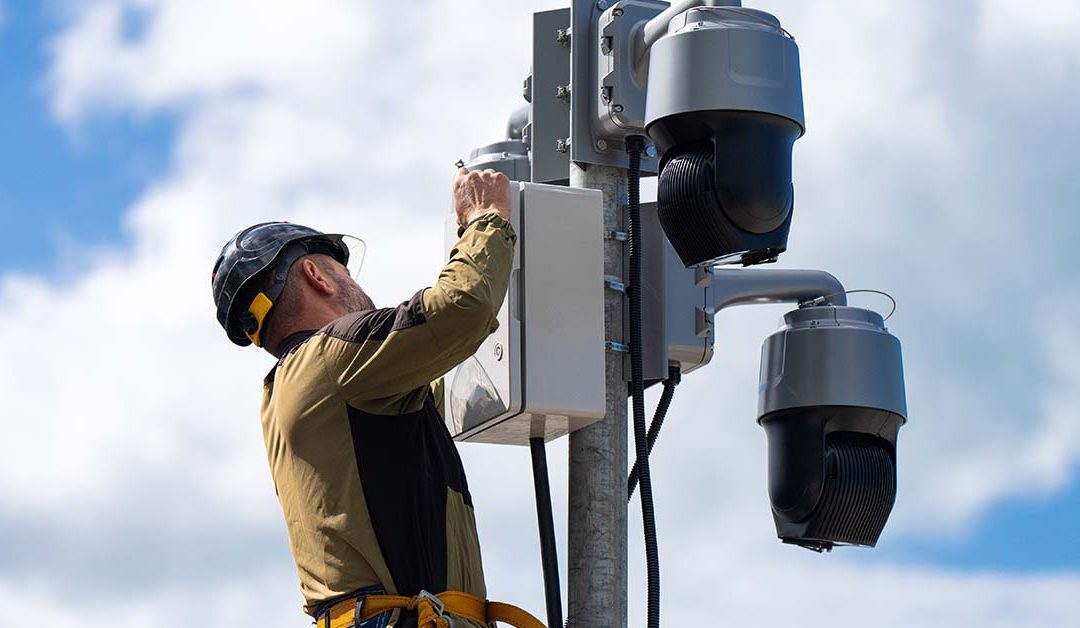
Industrial Video Surveillance Installation
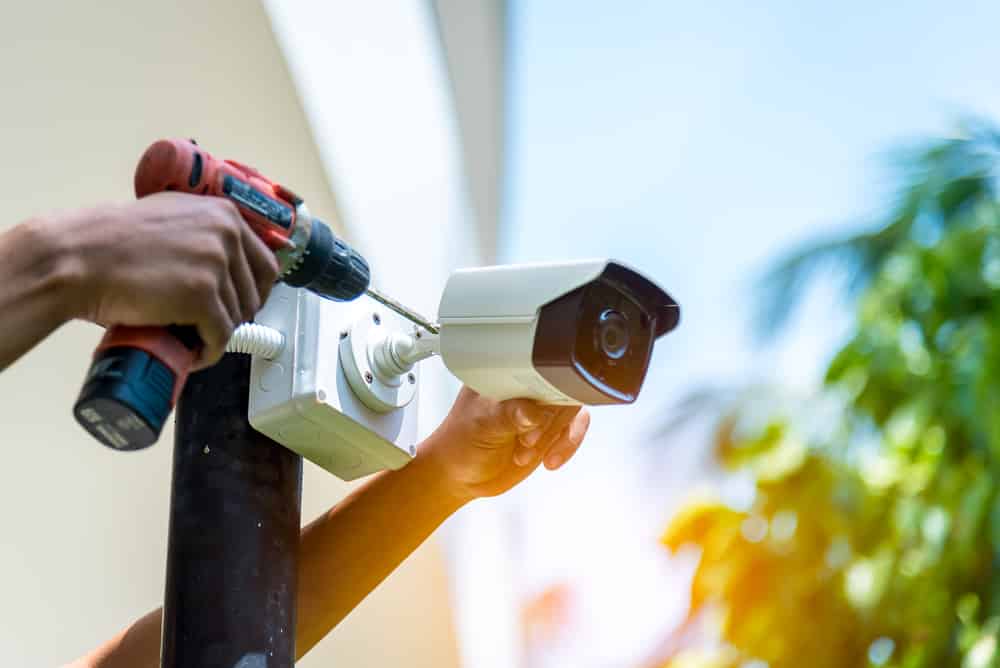
Warehouse Video Surveillance Installation
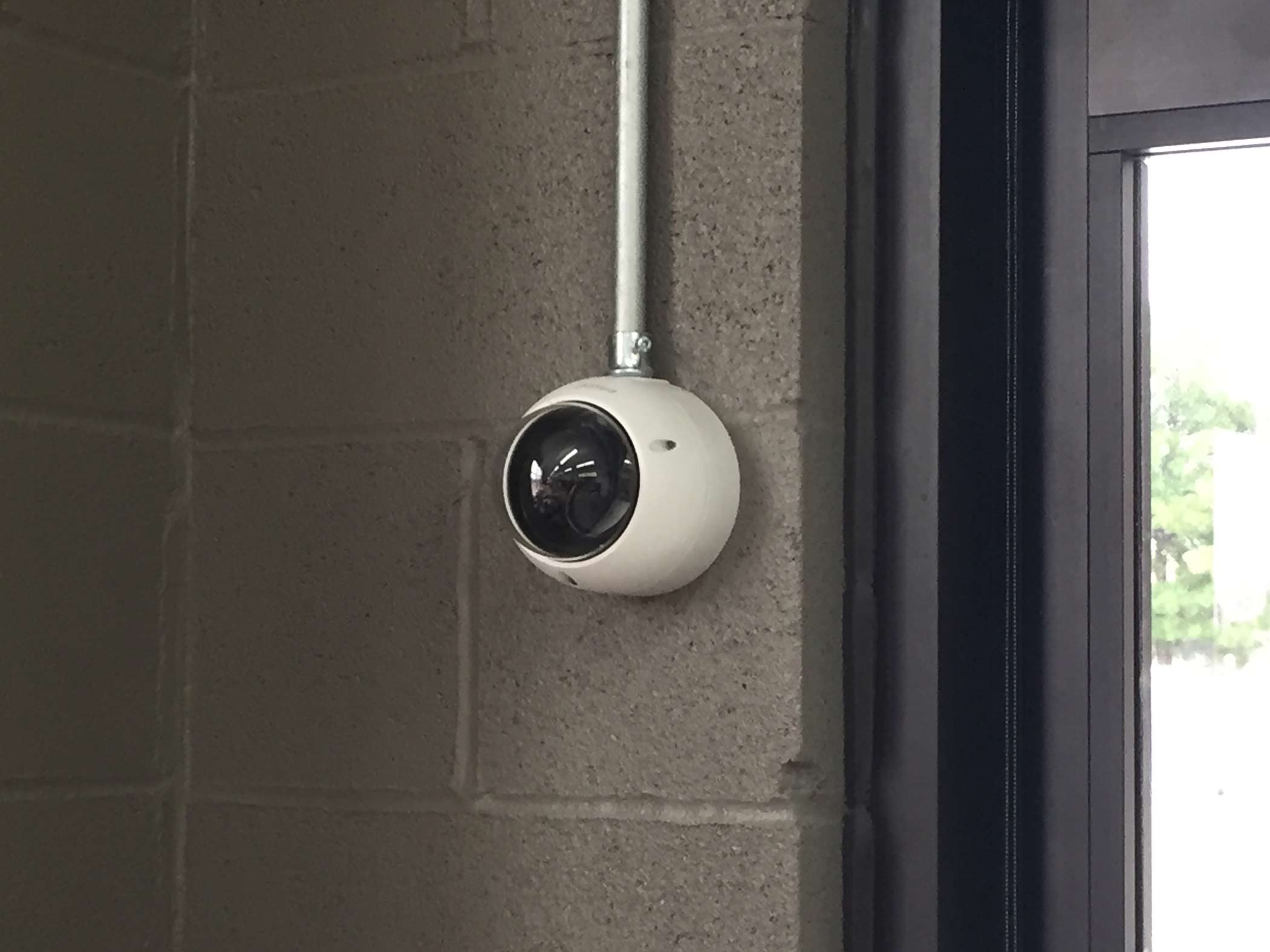
Wireless Video Surveillance Installation
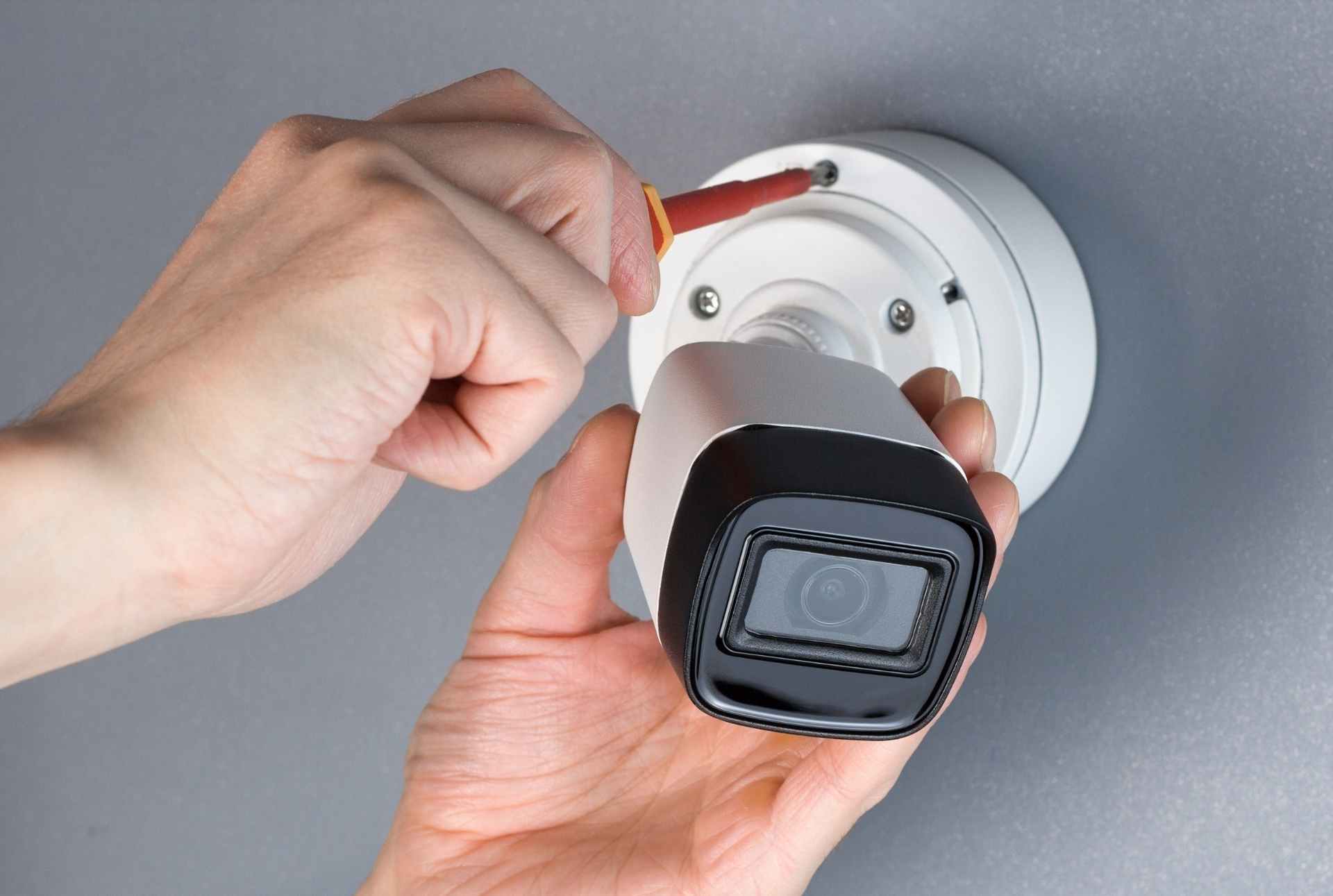
Cloud Video Surveillance Installation
Construction Site Video Surveillance Installation
AI Video Surveillance Installation
License Plate Reader Cameras Installation
School Video Surveillance Installation
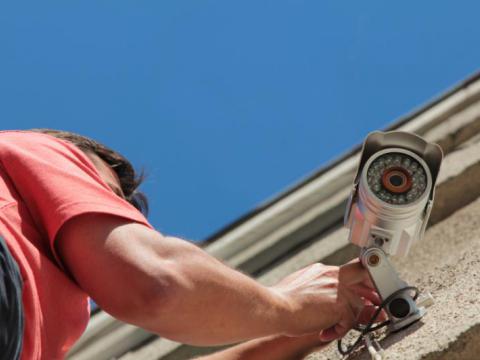
Office Video Surveillance Installation
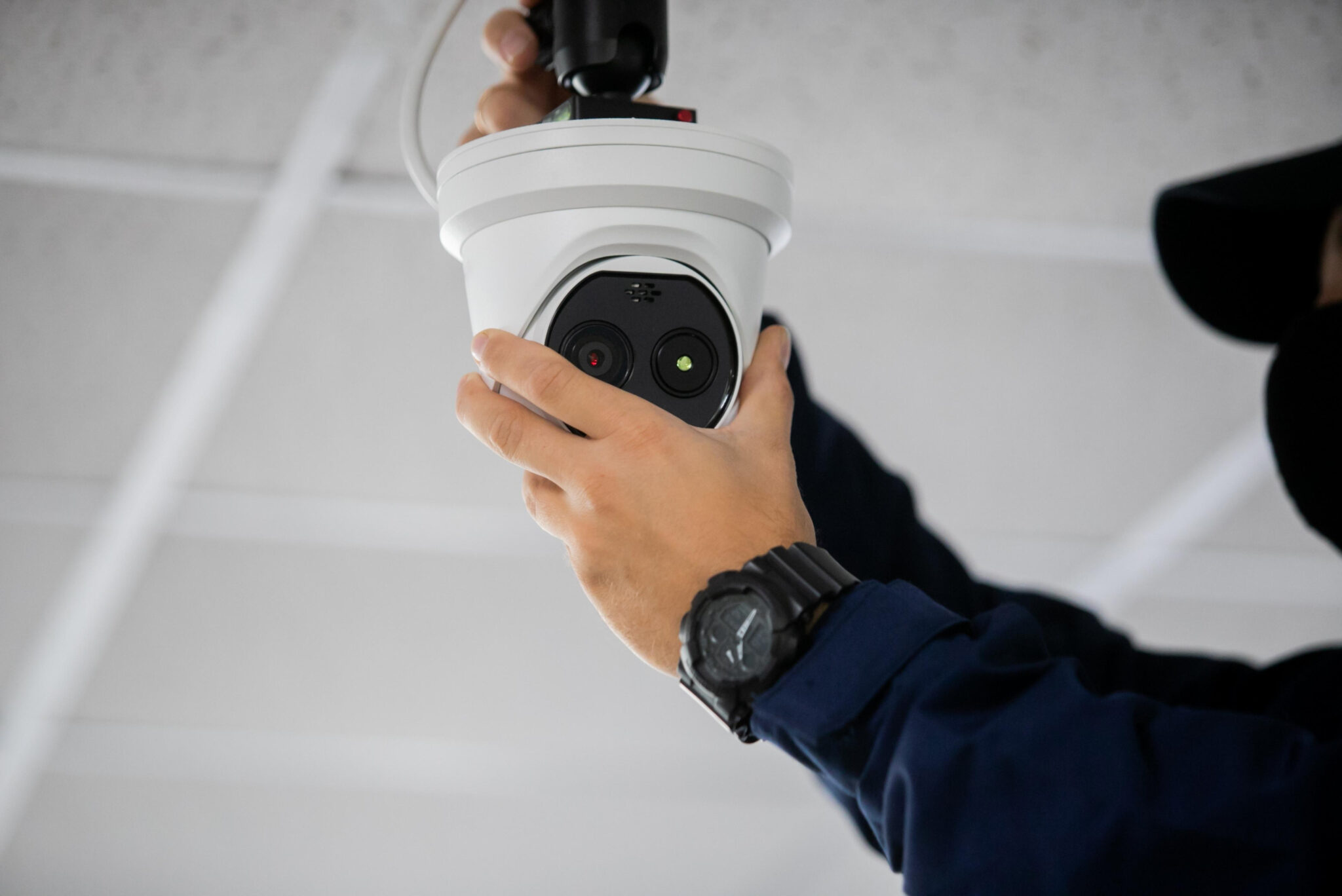
Retail Store Video Surveillance Installation
Apartment Building Video Surveillance Installation
Access Control System Installation
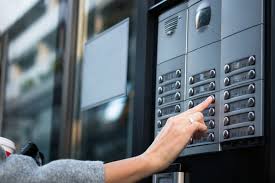
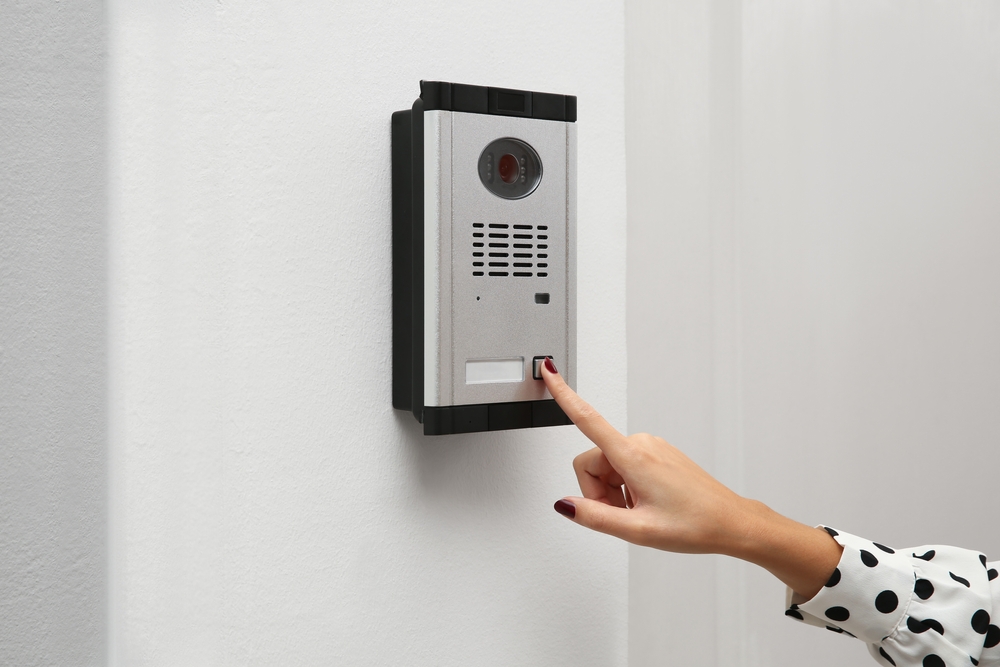
Video Intercom Installation
Surveillance System Maintenance
Camera Upgrade Replacement
Why Choose Turing AI for Your Security System
AI-Driven Detection
Unlike basic video cameras that simply record motion, Turing AI cameras use analytics to differentiate between humans, vehicles, and irrelevant motion like foliage or shadows — reducing false alarms meaningfully. True North Security Group
Smart Search & Alerts
The Turing Vision platform lets you search footage by attributes such as person, vehicle, or license plate — a time-saver when reviewing critical events. MK Technology
Compliance & Warranty
Selected models offer NDAA and TAA compliance and up to 10-year warranties with extended AI licenses, making them suitable for enterprise and government settings.
Planning Your Installation
Before drilling holes, a successful installation starts with strategic planning:
- Site survey: Identify critical entry points (doors, garages, alleys).
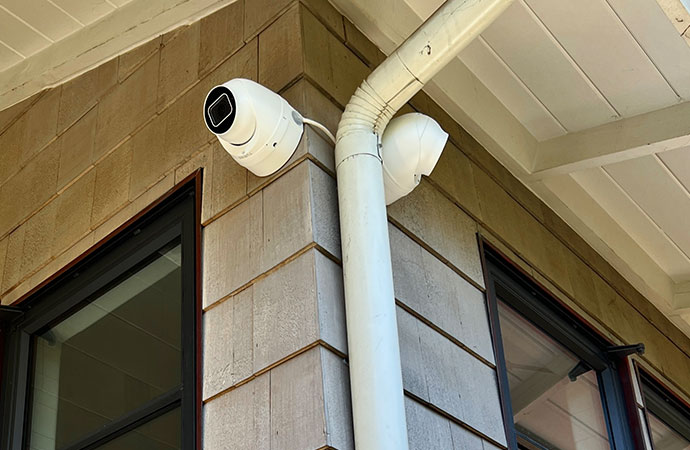
- Height & angle: Aim for approximately 7–10 feet above ground — high enough to avoid tampering, low enough for clear detail. device.report
- Lighting: Avoid direct backlight and harsh shadows; aim for even illumination.
- Weatherproofing: Choose cameras with appropriate IP66–IP67 ratings for outdoor durability.
Step-by-Step Installation Guide
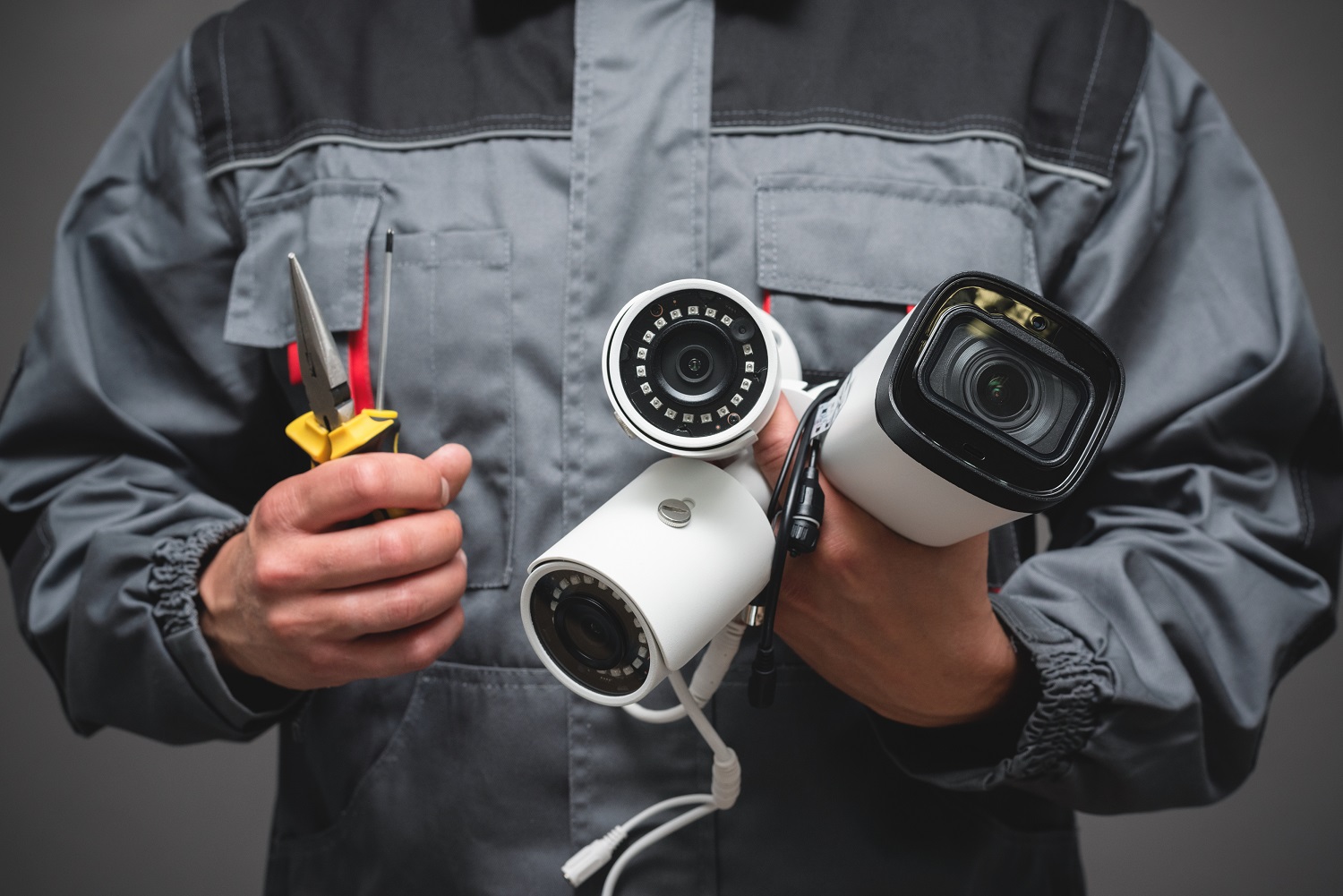
Gather Necessary Tools
- PoE switch or PoE injector (IEEE 802.3af compatible)
- Ethernet cables
- Phillips screwdriver & drill with appropriate bits
- Ladder for height access
Mount the Camera
- Choose the location.
- Drill pilot holes and secure mounting screws.
- Snap the camera into place and secure cabling.
Connect Power & Network
Use Power over Ethernet (PoE) to simplify wiring — data and power travel over a single cable.
Add Cameras to System
Through the Turing Vision App or VMS:
- Add dealer/site info
- Connect the bridge and/or NVR
- Add cameras to the platform
- Confirm camera IDs and names
Configure Alerts
Enable push notifications and customize alert parameters (person, vehicle, perimeter crossing).
We Provide Services Near Los Angeles, CA
- East Los Angeles, CA
- Huntington Park, CA
- Maywood, CA
- Walnut Park, CA
- Commerca, CA
- Bell, CA
- Glendale, CA
- South Pasadena, CA
- Monterey, CA
- South Gate. CA
Best Practices & Placement Tips
Effective surveillance relies on positioning:
- Corners for wide coverage
- Overhead near entries/exits
- Non-obstructed sight lines
- Avoid pointing directly into street traffic (glare, privacy issues)
- Balance height to capture facial detail and overview
Studies show strategic placement dramatically improves threat capture without excessive false alarms.